
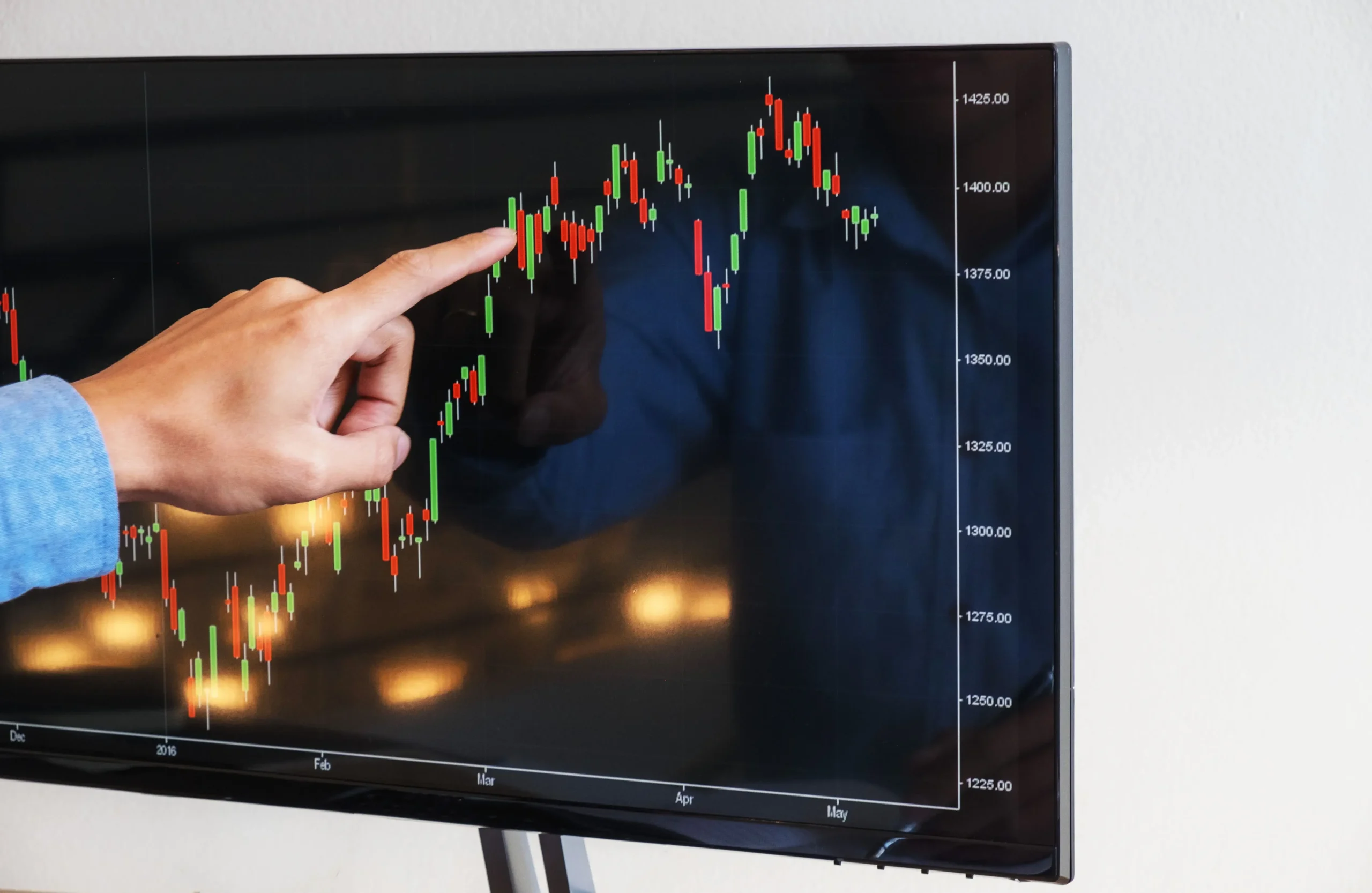
How to read candlestick charts for beginners begins with understanding that price charts tell a story about buyer and seller behavior rather than predicting future movement. Candlesticks visually display market psychology, which helps traders make structured decisions instead of reacting emotionally to price changes.
Many beginners rely on indicators before learning how the price itself behaves. This approach often creates confusion and delayed signals. Learning candlestick charts first builds a strong foundation that applies across forex, stocks, commodities, and crypto markets.
Understanding price behavior starts with learning how candles communicate market intent!
What a Candlestick Represents
A single candlestick shows four pieces of information: the open price, the close price, the highest point, and the lowest point during a specific time period. This structure reveals whether buyers or sellers controlled that period.
The candle body shows the distance between open and close, while the wicks show rejected prices. Long bodies indicate strong conviction, while long wicks signal rejection or hesitation within the market.
Note: Candlesticks reflect behavior, not predictions.
Bullish and Bearish Candles Explained
Bullish candles form when the price closes higher than it opens, showing buying pressure during that period. Bearish candles form when the price closes lower than it opens, indicating selling pressure.
The size of the candle body matters as much as direction. Large bodies suggest strong participation, while small bodies suggest indecision or balance between buyers and sellers.
Understanding these differences helps you interpret momentum rather than guessing direction.
How Timeframes Affect Candlestick Meaning
Candlesticks change meaning based on the timeframe used. A bullish candle on a five-minute chart reflects short-term activity, while the same candle on a daily chart reflects broader market participation.
Higher timeframes carry more weight because they include more trading activity and decision-making. Beginners benefit from focusing on higher timeframes to reduce noise and emotional reactions.
Timeframe awareness helps you interpret candles correctly:
- Higher timeframes show stronger signals.
- Lower timeframes show execution detail.
- Conflicting timeframes require caution.
Using consistent timeframes improves clarity and reduces misinterpretation. Candles gain meaning when viewed within a proper context rather than in isolation.
Tip: Start analysis on daily charts before lower timeframes.
Common Candlestick Shapes and What They Indicate
Certain candlestick shapes appear repeatedly across markets because human behavior repeats. Long-bodied candles indicate strength, while small-bodied candles indicate hesitation or balance.
Candles with long wicks often show rejection at key levels, which can signal potential pauses or reversals when confirmed by structure. Shape alone never replaces context. Learning shapes improves observation, not prediction.
Candlesticks and Market Context
Candlesticks only gain meaning when placed within context, such as trend direction, support, and resistance. A bullish candle at resistance carries a different meaning than one at support.
Context filters weak signals and improves decision quality. Without context, candlesticks become random shapes rather than useful information.
Always combine candles with these elements:
- Trend direction on higher timeframes.
- Location near key levels.
- Overall market conditions.
Context transforms candlestick reading into a practical tool. This approach prevents overreaction and improves discipline.
Alert: Candlesticks without context increase false signals.
Using Candlesticks for Entry and Exit Decisions
Candlesticks help refine entries by showing confirmation or rejection near planned levels. Strong closes after rejection often support entries aligned with the trend and structure.
Exits also benefit from candlestick observation. Loss of momentum or strong opposite candles near targets often signal reduced follow-through and increased risk. Planning entries and exits around candles improves timing without adding complexity.
Common Beginner Mistakes When Reading Candlesticks
Many beginners memorize candle names instead of understanding behavior. This habit leads to pattern hunting rather than analysis. Another mistake involves trading every candle signal without confirmation.
Candlesticks work best as confirmation tools, not standalone strategies. Discipline matters more than memorization.
Avoid these frequent errors:
- Trading candles without structure.
- Overanalyzing single candles.
- Ignoring higher timeframe context.
Reducing these mistakes improves consistency and confidence over time.
Practicing Candlestick Reading Effectively
Practice involves observation rather than constant trading. Study historical charts and note how candles behave around key levels and trends. Journaling screenshots with notes improves retention. Learning accelerates when review focuses on behavior rather than outcomes.
Midway through development, how to read candlestick charts for beginners becomes a natural skill rather than a technical exercise, as price behavior starts to feel familiar.
Wrapping Up
How to read candlestick charts for beginners requires patience, context, and repetition rather than memorization or prediction. Candlesticks reveal buyer and seller behavior when combined with structure and trend awareness. When you focus on understanding price rather than chasing signals, how to read candlestick charts for beginners becomes a reliable foundation for disciplined trading decisions.



Leave a Reply