
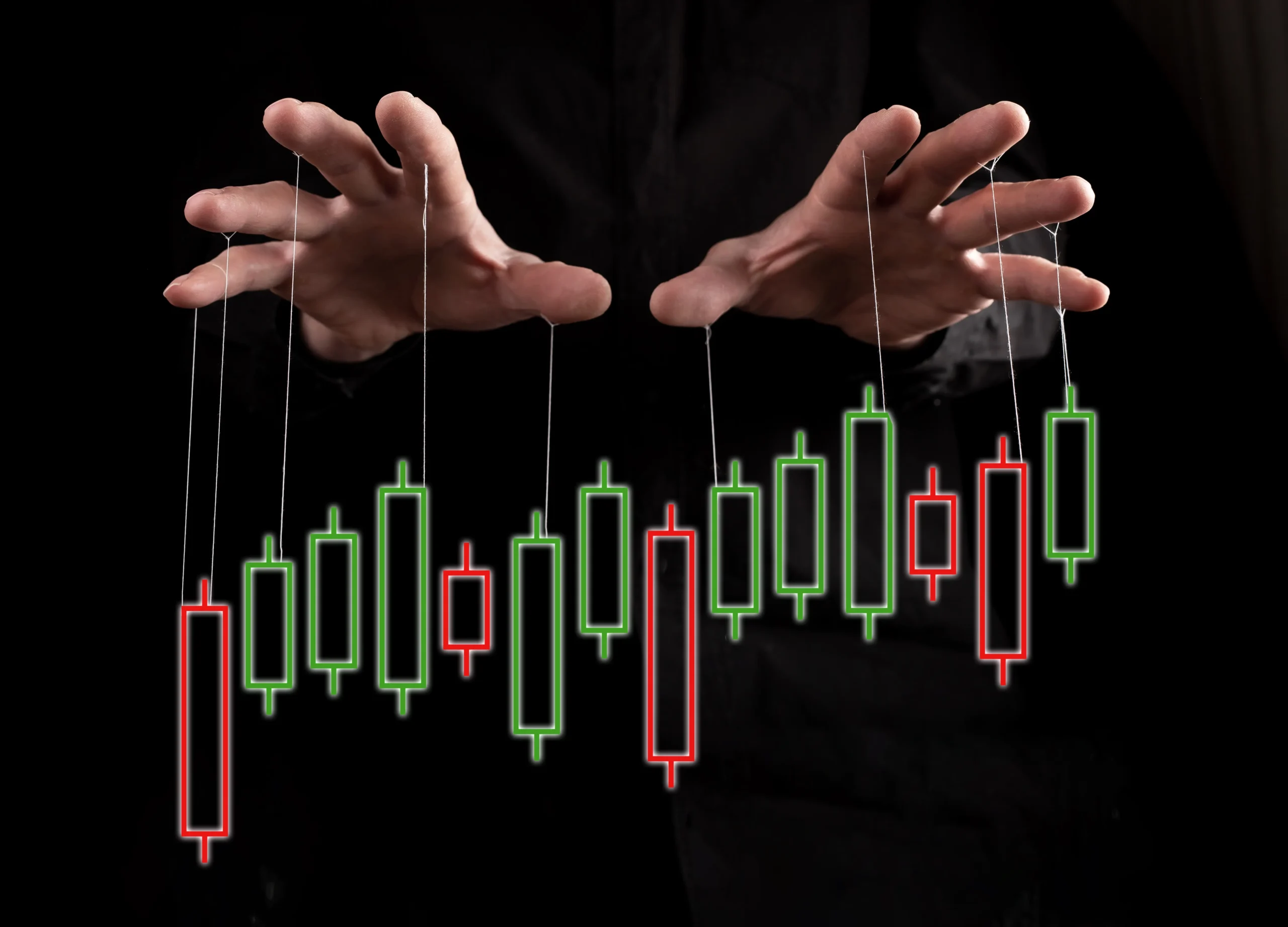
What is leverage in trading often feels confusing for new traders because it combines opportunity and risk into a single mechanism that directly affects position size and account exposure. Leverage allows you to control a larger trade value with a smaller amount of personal capital, which increases the speed at which profits and losses appear.
Many beginners focus on the potential for higher returns without fully understanding how leverage magnifies losses in the same way. Leverage does not improve timing, analysis, or discipline, and it does not increase the probability of success, but it does increase financial impact when decisions are incorrect.
Leverage rewards preparation and punish impulsive decision-making!
How Leverage Works in Practical Terms
Leverage works by allowing your broker to temporarily extend additional buying power so that you can open a position larger than your account balance alone would allow. Your deposited capital acts as collateral for this borrowed exposure and determines how much leverage you can apply.
When the price moves, profit or loss is calculated on the full position size rather than on your initial deposit. This means even small price fluctuations create noticeable changes in account equity, which is why leverage feels powerful and dangerous at the same time.
Note: Leverage increases exposure, not trading accuracy.
Why Brokers Offer Leverage to Traders
Brokers provide leverage to make financial markets accessible to traders with smaller accounts who would otherwise be unable to participate. Higher leverage increases market activity and trading volume, which benefits brokers through spreads and commissions.
This availability does not imply that high leverage suits every trader or situation. Brokers protect themselves through margin requirements and automatic liquidation mechanisms, while responsibility for risk management always remains with the trader.
Understanding this relationship helps you approach leverage as a tool rather than a benefit.
Understanding Leverage Ratios and Real Risk
Leverage appears as ratios such as 5:1, 10:1, or 50:1, which describe how much market exposure you control relative to your account balance. A higher ratio means smaller price movements create larger account changes, which increases both opportunity and stress.
Beginners often assume higher leverage leads to better performance, when in reality it demands stricter discipline and more precise position sizing. Lower leverage creates a more stable environment for learning and decision-making.
The table below explains leverage, margin, and risk impact in detail:
| Leverage Ratio | Margin Required | Position Controlled | Effect of 1% Price Move | Typical Beginner Risk |
| 5:1 | 20 percent | 5,000 on 1,000 | 50 gain or loss | Low |
| 10:1 | 10 percent | 10,000 on 1,000 | 100 gain or loss | Moderate |
| 20:1 | 5 percent | 20,000 on 1,000 | 200 gain or loss | High |
| 50:1 | 2 percent | 50,000 on 1,000 | 500 gain or loss | Very High |
This comparison shows how leverage amplifies results as ratios increase. Even small price changes become meaningful when exposure grows, which is why awareness and restraint matter.
Tip: Lower leverage supports steadier learning and emotional control.
Margin, Maintenance Levels, and Liquidation
Margin represents the portion of your capital that supports a leveraged trade and remains locked while the position stays open. It functions as a security deposit rather than a cost and changes as profit or loss fluctuates.
When losses reduce available margin below required maintenance levels, brokers close positions automatically to prevent further risk. Traders who understand margin mechanics avoid unexpected liquidation and maintain better control over exposure.
Tip: Monitoring margin regularly keeps risk visible and manageable.
How Beginners Should Use Leverage Responsibly
Responsible leverage use begins with position sizing rather than leverage selection. Even if high leverage is available, you choose how much exposure to apply by adjusting trade size. Smaller positions reduce pressure and emotional mistakes.
Beginners benefit from treating leverage as optional rather than necessary. Skill development improves when focus stays on execution quality, patience, and rule-following instead of profit speed.
Practical safety guidelines include:
- Select the lowest leverage offered by your broker.
- Risk is a small fixed percentage per trade.
- Avoid increasing leverage during losing streaks.
Warning: High leverage magnifies poor decisions quickly.
Common Beginner Mistakes With Leverage
Many beginners use maximum leverage without understanding true exposure, which often leads to rapid drawdowns and emotional stress. Another common mistake involves ignoring margin levels until positions close automatically.
Leverage also creates false confidence during winning periods, which encourages oversized trades and inconsistent behavior. Awareness and structure reduce these emotional swings and improve discipline.
Note: Avoiding these mistakes improves survival and learning efficiency.
Leverage and Long-Term Trading Discipline
Experienced traders treat leverage as a flexible exposure tool rather than a competitive advantage. They adjust position size and leverage usage based on volatility, market conditions, and confidence level rather than habit.
Over time, stability becomes more important than excitement, and risk control takes priority over rapid growth. This progression reflects disciplined behavior rather than reduced ambition.
Midway through development, what leverage in trading becomes a question of exposure management instead of profit potential, as consistency replaces urgency.
Wrapping Up
Leverage in trading defines how much market exposure you take relative to your available capital. Leverage increases both opportunity and risk without improving skill, accuracy, or probability. When used with discipline, realistic sizing, and patience, what is leverage in trading becomes a controlled tool instead of a source of avoidable losses.




Leave a Reply